
5-Star Reviews
Years of Local Service
Accredited Business
Technicians
and Operated
If this is the third breakdown in two summers, or someone has mentioned R-22, you deserve a clear answer before approving more work. McCormick Heating & Cooling tests the existing equipment, considers how Greeley's elevation affects capacity, and shows you whether the system has one repairable fault or broader deterioration.
Explore McCormick's air conditioning services or schedule an assessment today.
What Does AC Replacement Involve - and How Is It Different From a Repair?
AC replacement removes a failing cooling system and pairs a new outdoor condenser with a compatible indoor coil, refrigerant circuit, blower, and controls. A repair keeps the existing system and corrects a fault when the remaining equipment is serviceable.
Replacing the outdoor cabinet alone does not necessarily create a complete, dependable system. The condenser and indoor evaporator coil need compatible capacities, refrigerant requirements, and efficiency ratings. McCormick also checks the furnace blower, thermostat, refrigerant lines, outdoor pad, drainage, and accessible duct conditions.
R-22 systems require particular attention. R-22, commonly known as freon, was widely used in air conditioning but has not been produced or imported into the United States since 2020. An R-22 system may still receive some repairs but a leaking unit can no longer be recharged.
R-410A systems remain serviceable. McCormick does not recommend removing working equipment solely because newer systems use a different refrigerant. Read more about refrigerant changes and existing AC systems.
Replacement equipment is evaluated under SEER2 testing procedures. McCormick considers the efficiency difference between the existing system and compatible new equipment as one part of the overall decision. Learn how these ratings work in McCormick's SEER2 guide.
What Are the Signs It Is Time to Replace Your AC in Greeley?
AC replacement is worth considering when a system is 12-15 years old, has needed major work in two summers, uses R-22, leaks at the coil, loses capacity on 95-degree days, or cannot correct persistent humidity and uneven-room comfort problems indoors.
No single sign proves that the entire system needs to go. Several signs appearing together, however, may point to deterioration that another isolated repair cannot address.
Common warning signs include:
- The system is at least 12-15 years old. Age matters most when it accompanies compressor wear, corrosion, recurring faults, or declining performance.
- Two major failures have occurred in two cooling seasons. Repeated breakdowns can indicate that more than one component is reaching the end of its service life.
- An R-22 system has developed a leak. A leaking R-22 unit cannot be restored with newly manufactured refrigerant.
- The indoor coil is leaking or incompatible. Coil condition affects capacity, refrigerant circulation, and compatibility with the outdoor equipment.
- The compressor is failing. A failed compressor prevents normal refrigerant circulation and leaves the system unable to cool.
- The AC cannot maintain the thermostat setting on 95-degree days. This may point to wear, airflow restrictions, lost capacity, or incorrect original sizing.
- Rooms remain humid or unevenly cooled. A repair cannot always correct problems created by capacity, airflow, or system design.
- The blower and cooling equipment no longer work properly together. A mismatched system may not deliver its intended airflow, capacity, or efficiency.
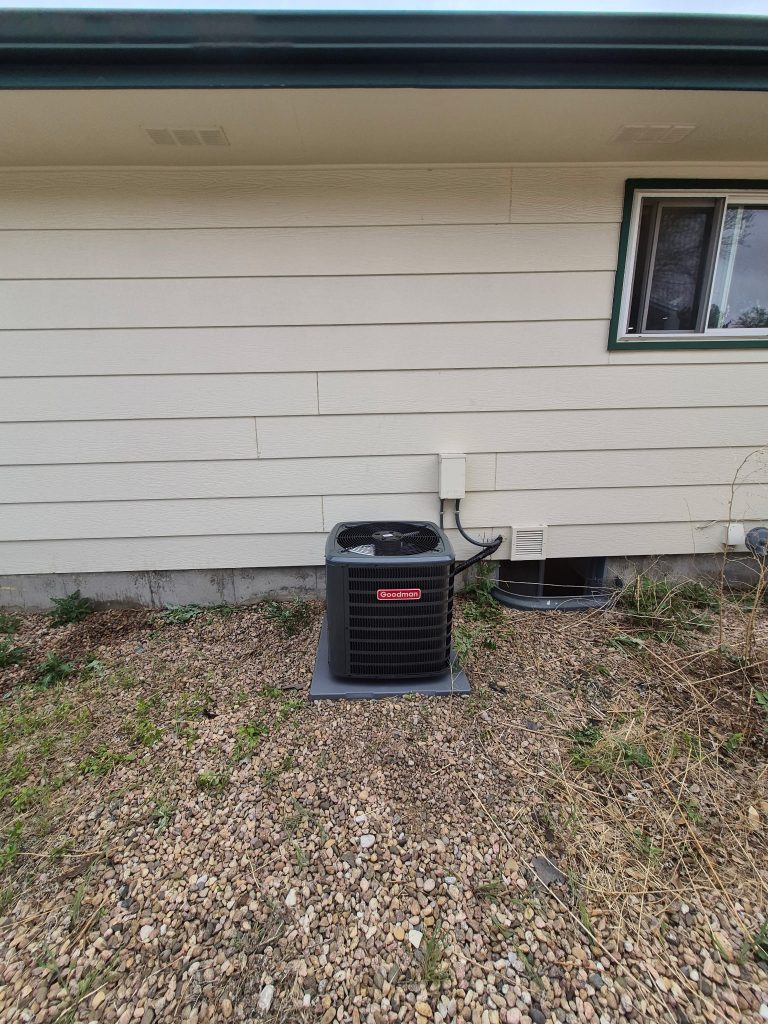
A compressor failure during Front Range wildfire season can leave a home without cooling when keeping the windows closed is important. Continuing to repair a deteriorating 15-year-old system can also consume another summer without addressing its underlying condition.
How Does AC Replacement Work?
AC replacement follows three homeowner steps: describe the symptoms, review findings, and approve the appropriate fix.
1. Book an Appointment
Call (720) 217-4801 or request service online. Tell us what you're seeing. No diagnosis needed.
2. Review the Findings
A NATE-certified McCormick technician arrives, tests the system, and shows you the findings before any work is approved.
3. Approve the Fix
You approve the fix, we complete it, and you get the documentation your warranty requires.
What Happens After Replacement Is Approved?
AC replacement delivery covers system sizing, equipment matching, refrigerant recovery, removal of the old components, preparation of the equipment locations, system start-up, and documented commissioning.
McCormick's process includes:
- Assessing the whole system. The technician checks the condenser, indoor coil, blower, refrigerant circuit, thermostat, airflow, and accessible duct conditions. The homeowner sees the relevant findings before work moves forward.
- Calculating the home's cooling load. A Manual J load calculation considers the home's layout, windows, insulation, exposure, and other factors that affect cooling demand.
- Accounting for Greeley's elevation. Greeley sits at 4,665 feet, where lower air density affects equipment and airflow performance. A unit selected only from its nameplate rating years ago may have been undersized from the beginning. Replacement is an opportunity to correct that problem.
- Selecting matched equipment. McCormick selects a compatible, AHRI-matched condenser and indoor coil. The assessment also determines whether the existing blower and controls can support the selected equipment.
- Recovering the old refrigerant. An EPA Section 608-certified technician recovers refrigerant before disconnecting the existing components.
- Removing the old equipment. McCormick removes the components being replaced and prepares them for responsible disposal or recycling.
- Preparing the equipment locations. The technician checks the outdoor pad, service clearances, drainage, refrigerant lines, and indoor equipment area. The pad or line set is replaced when its condition or compatibility requires it.
- Connecting the new components. The condenser and indoor coil are positioned and connected to the refrigerant circuit, blower, thermostat, and controls.
- Evacuating and charging the system. The refrigerant circuit is evacuated to remove air and moisture. The charge is then set according to the equipment manufacturer's requirements.
- Commissioning the equipment. McCormick verifies thermostat response, compressor operation, condenser-fan performance, blower airflow, and cooling output. Relevant commissioning readings may include static pressure, temperature split, superheat, and subcooling.
- Reviewing operation and care. The technician explains thermostat operation, filter requirements, and routine care. McCormick can also schedule the first-season tune-up.
What Does a Replacement Assessment From McCormick Include?
An AC replacement assessment tests the system, identifies failed components, reviews its age and recent repair history, confirms refrigerant and equipment compatibility, checks airflow and capacity, and gives the homeowner a clear recommendation and the findings that support the decision.
McCormick evaluates six connected factors rather than basing the decision on age alone:
- Age and overall condition. The technician considers age alongside compressor condition, coil integrity, corrosion, wear, maintenance history, and present operation.
- Refrigerant generation. An R-22 leak creates different service limitations than an isolated fault in an R-410A system. Refrigerant type is important, but it does not decide every case by itself.
- Recent repair history. One failed component may be repairable. Major failures during consecutive cooling seasons can point to broader deterioration.
- Indoor and outdoor component conditions. The condenser, evaporator coil, and furnace blower need to function together. McCormick determines whether retained components remain serviceable and compatible.
- Efficiency and operation. The technician compares the existing system's condition and performance with current SEER2-rated equipment without treating an efficiency rating as the only reason to replace it.
- Comfort and capacity. Persistent humidity, uneven rooms, weak airflow, and lost capacity may reveal a problem that replacing one failed part will not resolve. The assessment also considers whether the original system was correctly sized for Greeley's elevation.
The result is a direct repair-or-replace recommendation supported by what the technician found. If the failure is isolated and the remaining system is sound, McCormick can recommend keeping the existing equipment in service.
How Long Does AC Replacement Take?
AC replacement takes one working day in many Greeley homes when equipment is accessible and supporting components are suitable. More time may be needed to correct original sizing, prepare the pad, change refrigerant lines, update controls, or resolve compatibility issues.
McCormick reviews the expected scope after examining the existing equipment. The work is not considered complete merely because the system starts. Commissioning must confirm that the equipment, airflow, refrigerant charge, and controls are operating as intended.
Repair vs. Replace - How Should a Greeley Homeowner Decide?
AC replacement is the stronger path when age, repeated failures, refrigerant limits, mismatched components, declining efficiency, or unresolved comfort problems point to system-wide deterioration. Repair remains appropriate when testing finds one fault and the rest of the equipment is sound.
The decision framework considers the system as a whole:
| Factor | Repair may fit when… | Replacement may fit when… |
|---|---|---|
| Age and condition | The equipment remains mechanically sound | Several components show advanced wear |
| Repair history | The failure is isolated | Major failures have occurred repeatedly |
| Refrigerant | The system remains serviceable | An R-22 leak limits available options |
| Indoor coil and blower | Both remain sound and compatible | Either component is failing or incompatible |
| Comfort | The system performed properly before the fault | Humidity or uneven cooling persists |
| Capacity | The equipment fits the home's load | Original sizing did not account for the home or altitude |
| Efficiency | Operation remains stable | Wear has caused a sustained decline in performance |
When testing identifies one repairable problem in an otherwise sound system, air conditioning repair may be the right answer.
This page addresses homes that already have central cooling. A home without central air requires a different planning process, explained on McCormick's air conditioning installation page.
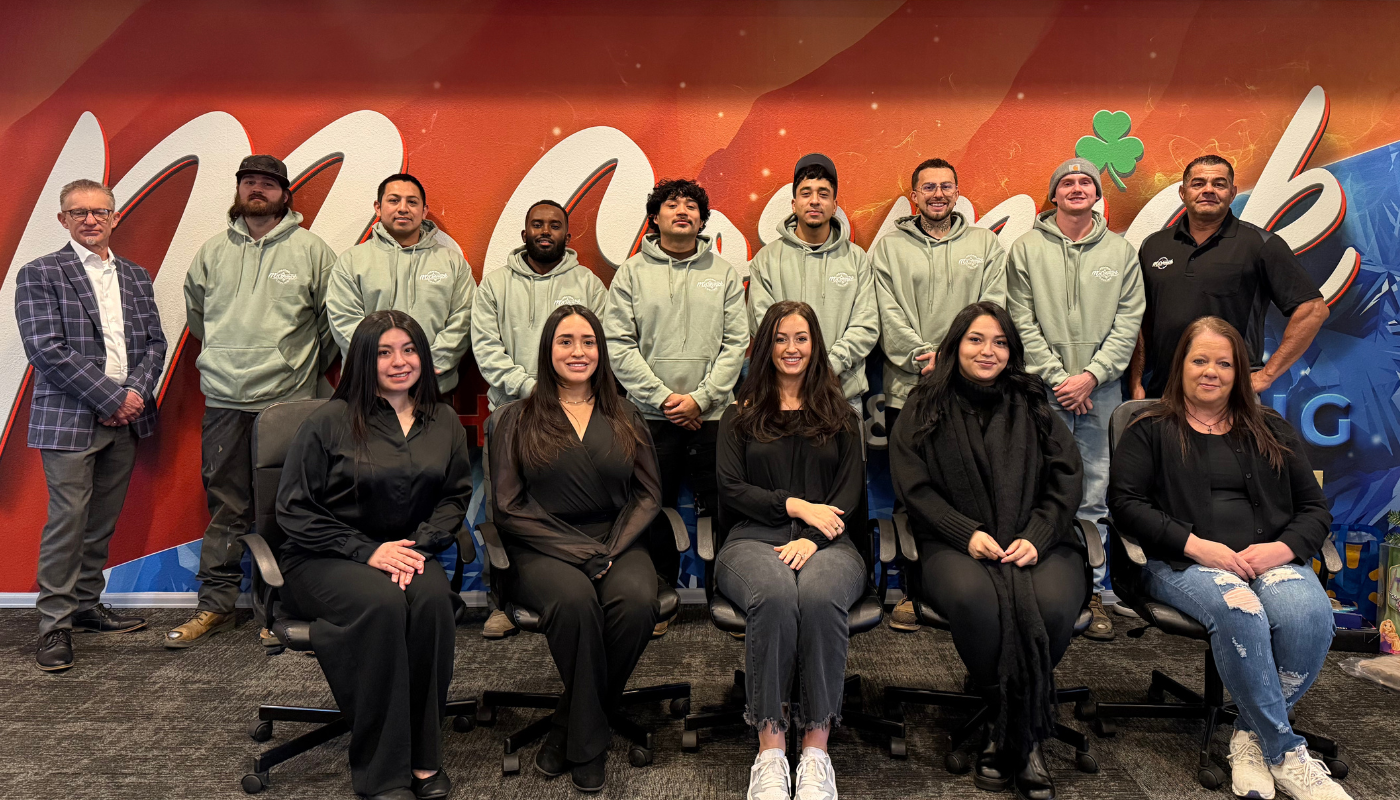
Why Choose McCormick for AC Replacement in Greeley?
McCormick Heating & Cooling provides:
- NATE-certified and EPA Section 608-certified technicians
- More than 800 Google reviews
- BBB A+ Accreditation since 2015
- A Greeley headquarters at 2881 S 31st Ave, Unit 3
- Load calculations that account for the home and elevation
- AHRI-matched equipment selection
- Responsible recovery of old refrigerant
- Documented commissioning readings
- Findings shown before work is approved
- Repair recommendations when the existing system remains serviceable
Where Does McCormick Provide AC Replacement?
AC replacement is available from McCormick's Greeley headquarters to homeowners in nearby Weld, Larimer, and Boulder County communities. The team dispatches from 2881 S 31st Ave, Unit 3.
The service area includes:
AC Replacement FAQs
Tired of Repairing the Same AC?
A third breakdown in two summers should lead to a straight answer. McCormick will test the system, show you what is failing, and explain whether one repair can restore dependable operation or whether broader deterioration supports replacement.
The assessment also considers whether the old equipment was properly sized for your Greeley home at 4,665 feet, providing an opportunity to correct an original capacity problem rather than repeat it.